
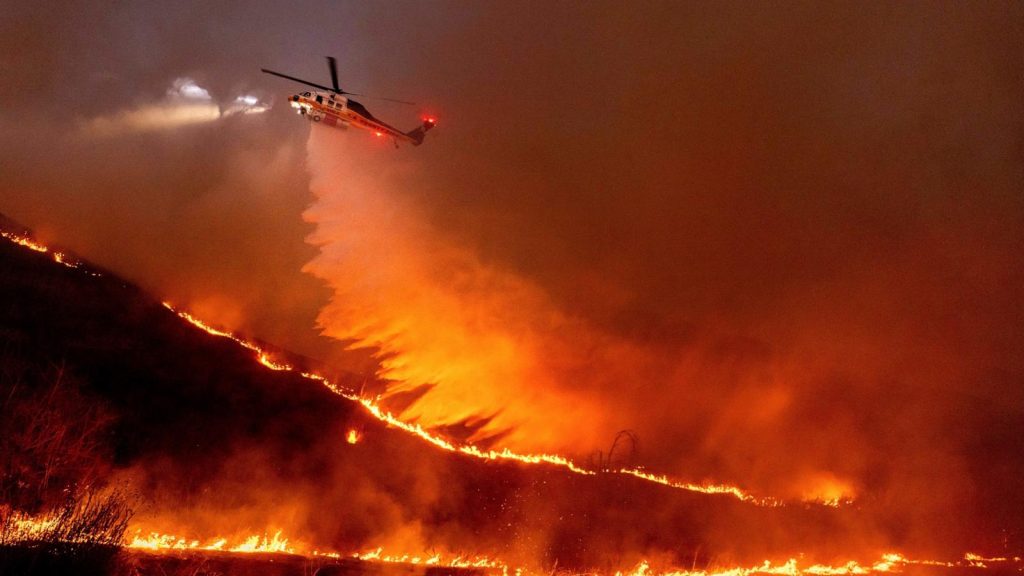
Let’s be real—2025’s wildfire season in LA was a nightmare. It wasn’t just about the flames. It was the crazy mix of issues: extreme drought, unpredictable winds, old equipment, and not enough firefighters or resources to go around. Add in some policy confusion and neighborhoods right up against burnable hills, and you’ve got a recipe for disaster. Let’s break down what really made things so tough—and what needs to change for next time.
What Made LA’s 2025 Fire Season So Unpredictable?
LA’s wildfires in 2025 weren’t your average brush fires. Here’s what set them apart:
– Wild Weather: Gusty winds, sudden changes in fire direction, and weird temperature inversions made flames move in ways crews didn’t expect.
– Old Gear, Stretched Crews: Firefighters were using aging trucks and pumps, and teams were spread thin. Sometimes, backup just wasn’t there fast enough.
– Response Gaps: Communication between agencies wasn’t smooth. Sensor coverage was spotty. Getting everyone on the same page took precious time.
– Tough Terrain: Fires started near hard-to-reach places—think steep, narrow roads where big trucks can barely squeeze through.
– Dry-as-Bone Fuels: All that dry weather left grasses and shrubs itching to burn, and embers could jump roads or even neighborhoods.
If you’re dealing with the aftermath, consider checking out Orange County wildfire recovery resources from Pure One for support and guidance. Bottom line? The whole system was stressed, and cracks showed fast.
How Did Drought and Climate Make Things Worse?
If you’re wondering why fires spread so quickly, look no further than LA’s climate in 2025. Here’s what was going on:
Drought + Scorching Heat = Fire Fuel
– Dry Everything: Months without decent rain meant plants were crispy—perfect kindling.
– Hot Days & Nights: Extreme heat dried things out even more, making it easier for anything to catch fire.
– Fast-Moving Flames: Winds carried embers far and wide, starting new fires faster than crews could stamp them out.
Climate Patterns Driving Fire Spread
– Longer Fire Season: Dry spells lasted longer, stretching the fire season by weeks.
– Urban Heat Islands: Hotter city surfaces boosted fire risk, especially where homes meet wild land.
– Wind Events: Santa Ana winds and similar patterns whipped up flames and changed their direction in a flash.
Bottom line: Drought + heat + wind = a wildfire’s best friend, and LA had all three.
The Urban-Wildland Interface: Where Risk Skyrockets
Ever notice how some neighborhoods seem to be right on the edge of the wilderness? That’s called the urban-wildland interface, and it’s a huge problem during wildfire season.
– Lots of Homes, Lots of Trees: Houses built next to brushy hills or forests are super vulnerable.
– Aging Infrastructure: Power lines, transformers, and streetlights often failed—sometimes even starting fires themselves.
– Evacuation Challenges: Narrow roads, not enough exits, and limited shelter space made it hard for people to get out quickly.
– Maintenance Matters: Houses with old roofs or little “defensible space” (the cleared area around a home) were at higher risk.
If you live in one of these neighborhoods, you probably noticed the tension every time the wind picked up.
Firefighters Faced Huge Resource Challenges
The folks fighting these fires had a tough job, and the deck was stacked against them. Here’s why:
– Not Enough Trucks or People: Calls for help outnumbered the available fire engines by 15–20%.
– Exhausted Crews: Firefighters were working overtime, burning out, and sometimes had to rest when they were needed most.
– Old Equipment: Pumps and hoses broke down more often than anyone liked.
– Supplies Ran Low: Delays in getting new gear or protective clothing meant some crews had to make do with what they had.
All this meant slower responses, more damage, and a tougher time getting fires under control.
When Old Equipment Fails at the Worst Time
Imagine trying to fight a massive fire with a truck that’s past its prime. That’s what a lot of crews faced.
How Did Gear Failures Play Out?
– Pumps & Engines Overheat: Old pumps and motors couldn’t keep up during heat waves. Failures spiked after long shifts.
– Hydraulic and Battery Problems: More breakdowns happened when equipment was pushed past its limits.
– Delayed Replacements: Parts took ages to arrive, so broken gear sometimes stayed out of service for days.
– Maintenance Backlogs: Preventive repairs were often skipped or delayed, making failures more likely when things got busy.
This isn’t just annoying—it’s dangerous when every minute counts.
Policy Confusion Slowed Down the Response
It wasn’t just about equipment or weather. Sometimes, red tape and miscommunication made things worse.
– Slow Resource Deployment: Agencies couldn’t always agree quickly on who should send what where.
– Mixed-Up Command Structures: Different organizations had different systems, so sharing info took too long.
– Communication Breakdowns: Dispatch centers and crews in the field sometimes waited way too long for updates or instructions.
– Non-Standard Equipment: Not all crews were trained on the same gear, so working together wasn’t always smooth.
A more streamlined, unified approach would have made a big difference.
What Can We Do for Next Year? (Lessons for 2026)
2025 was rough, but there are some clear takeaways to make things better in 2026:
- Prioritize Maintenance: Keep equipment in shape, replace what’s too old, and track everything with dashboards.
- Targeted Funding: Put money where the risk is highest—especially in neighborhoods most likely to burn.
- Faster Asset Deployment: Pre-authorize teams and resources so everyone knows what to do when fire strikes.
- Better Communication: Standardize data and reporting so all agencies speak the same language.
- Real-Time Monitoring: Use smart sensors to spot problems early—like equipment overheating or slow response times.
- Continuous Improvement: After each fire, review what worked (and what didn’t), then fix those gaps.
Final Thoughts:
The 2025 LA wildfires showed us that it’s not just about fighting flames—it’s about having the right gear, crews, plans, and communication in place. With smarter planning and investment, we can make future fire seasons less destructive and a lot less stressful for everyone involved.