Every smile has unique needs, goals, and preferences, making personalized dental care an important part of achieving positive results. A dedicated dentist takes time to understand each patient and develops thoughtful care plans that encourage healthy teeth, comfortable visits, and lasting confidence.
Personalized Planning Supports Better Dental Care
A customized approach allows dental care to reflect individual needs rather than relying on a one-size-fits-all routine. Careful discussions and professional evaluations help create clear plans that make each step easier to understand and follow.
- Review individual oral health goals and concerns.
- Consider existing dental habits and personal preferences.
- Create practical recommendations for daily care.
- Explain each recommended step clearly and positively.
- Adjust care plans as needs and goals change.
Comprehensive Evaluations Guide Effective Care
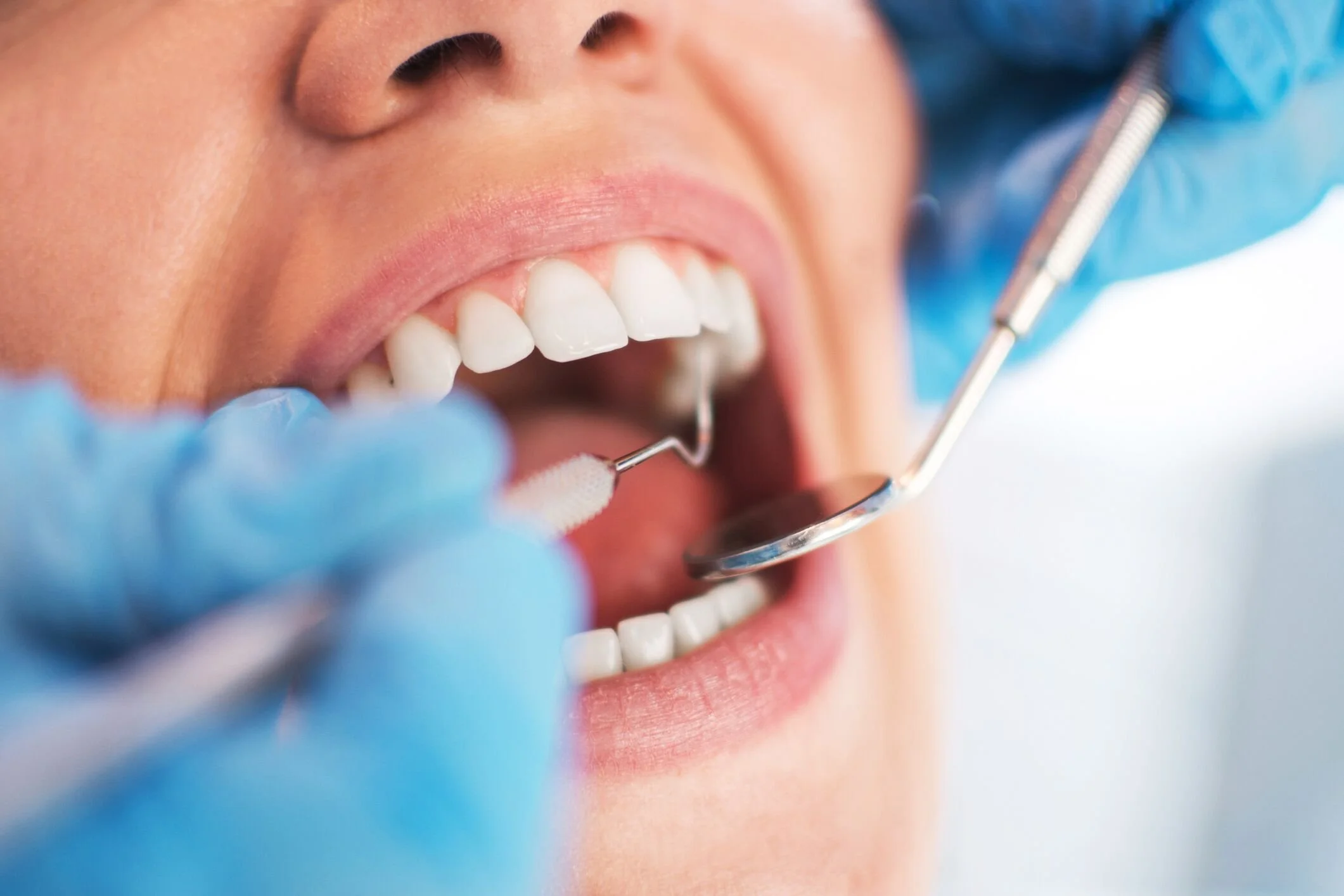
A thorough evaluation provides valuable insight into overall oral wellness. By paying attention to teeth, gums, bite, and everyday habits, a dedicated dental professional can develop recommendations designed to support a healthy and confident smile.
- Examine overall dental health carefully.
- Identify opportunities to strengthen daily care routines.
- Discuss habits that contribute to healthy teeth and gums.
- Provide clear guidance for maintaining oral wellness.
- Encourage regular professional checkups for continued support.
Comfortable Care Encourages Patient Confidence
Personalized dental planning can make appointments feel more comfortable and reassuring. When patients understand their care and feel heard, they can approach each visit with greater confidence and a positive attitude toward oral wellness.
- Encourage open and comfortable communication.
- Answer questions with clear and friendly explanations.
- Respect individual comfort levels throughout care.
- Make recommendations easy to understand.
- Create a supportive experience at every appointment.
Child-Focused Guidance Builds Healthy Habits
Young patients benefit from dental guidance that is positive, simple, and encouraging. A Kids Dentist Boca Raton can help children become familiar with healthy routines while making dental care an enjoyable part of growing up.
- Teach children effective brushing techniques.
- Encourage consistent flossing habits.
- Explain dental care using age-appropriate language.
- Promote positive attitudes toward regular checkups.
- Help children develop healthy habits early.
Preventive Care Promotes Long-Term Results
Preventive planning focuses on maintaining oral health before concerns arise. Consistent professional guidance combined with good daily habits can support strong teeth, healthy gums, and a smile that remains comfortable and confident over time.
- Encourage regular dental examinations.
- Support effective brushing and flossing routines.
- Discuss nutritious choices that benefit oral wellness.
- Monitor changes in dental health over time.
- Reinforce positive habits through ongoing guidance.
Flexible Plans Adapt To Changing Needs
Dental needs can change as people grow, develop new goals, or improve their daily routines. A dedicated dentist can update recommendations when appropriate, ensuring care remains relevant, practical, and supportive throughout different stages of life.
- Review progress during routine visits.
- Update recommendations when needs evolve.
- Celebrate improvements in oral health habits.
- Encourage continued attention to preventive care.
- Keep long-term smile goals at the center of planning.
Dedicated Care Creates Lasting Benefits
Personalized dental care combines professional expertise with attentive communication and thoughtful planning. When every recommendation is shaped around individual needs, patients can feel more informed, comfortable, and motivated to maintain excellent oral wellness.
- Receive guidance designed around personal goals.
- Build stronger and more consistent dental routines.
- Enjoy greater confidence in everyday smile care.
- Maintain healthy teeth and gums through prevention.
- Experience a positive path toward lasting dental wellness.
A dedicated dentist makes personalized care a meaningful part of every patient’s journey. Through thoughtful planning, preventive guidance, comfortable communication, and adaptable recommendations, patients can enjoy better results while developing healthy habits that support beautiful, confident smiles for years to come.