Relaxation and self-care are essential components of maintaining both physical and mental well-being. Among the various ways to achieve these benefits, professional Business Trip Massage services stand out as an effective and enjoyable method to rejuvenate the body and mind. Business Trip Massage therapy is more than just a way to unwind after a long day; it offers a wide range of health benefits that can improve overall quality of life. Whether you are dealing with chronic pain, muscle tension, or stress, professional Business Trip Massage can help restore balance and promote healing. One of the most immediate benefits of professional Business Trip Massage is its ability to reduce stress. In today’s fast-paced world, many individuals find themselves overwhelmed by the pressures of daily life. Stress can have a negative impact on both physical and mental health, leading to issues like headaches, insomnia, and even digestive problems. A professional Business Trip Massage helps release built-up tension in the muscles, which can directly alleviate stress.
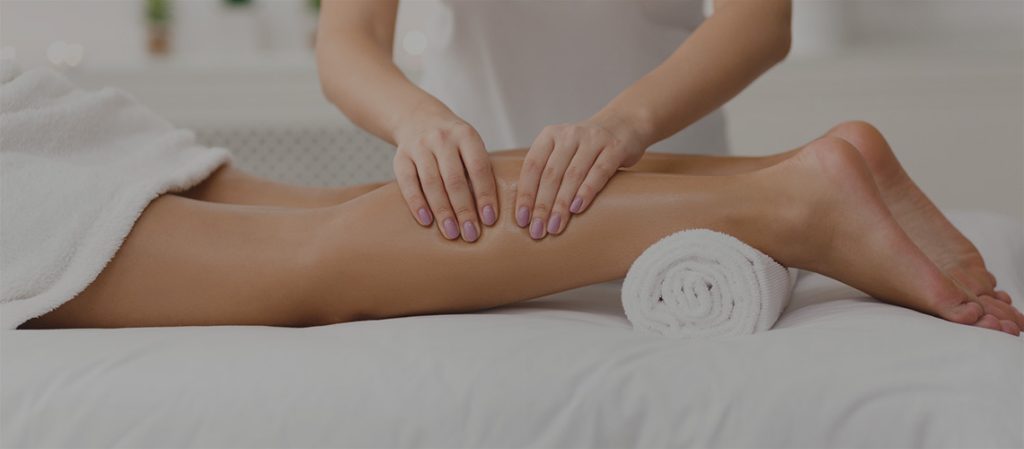
In addition to stress relief, Business Trip Massage therapy is particularly effective for managing chronic pain. Conditions such as arthritis, fibromyalgia, and lower back pain can be debilitating and often require a comprehensive treatment plan. Regular Business Trip Massage sessions can target areas of discomfort, improve circulation, and enhance muscle flexibility. By stimulating the body’s natural healing processes, Business Trip Massage can provide long-term relief from chronic pain without the need for invasive procedures or reliance on medication. Over time, clients may notice a significant reduction in pain intensity and an improved range of motion. Another benefit of professional Business Trip Massage services is their ability to improve circulation. Healthy circulation is crucial for delivering oxygen and nutrients to various parts of the body, promoting overall health and healing. Poor circulation can lead to a range of issues, including fatigue, swelling, and muscle stiffness. By applying targeted pressure to different areas of the body, Business Trip Massage therapy helps stimulate blood flow, which can improve oxygenation and reduce inflammation.
Business Trip Massage therapy is also an excellent way to support mental clarity and emotional well-being. Many individuals experience heightened levels of anxiety, depression, or emotional distress. While Business Trip Massage therapy is not a substitute for professional counseling or treatment, it can serve as a complementary approach to improving mental health. The relaxation response triggered during a Business Trip Massage can help reduce anxiety levels and promote a more balanced emotional state. This practice provides an opportunity to connect with oneself in a peaceful environment, allowing for introspection and emotional healing and you can try this out https://uniensenada.com/relax-and-recharge-the-best-incheon-business-trip-massage-services-you-need-to-try.html. Furthermore, regular Business Trip Massages can improve sleep quality. Many people struggle with insomnia or have trouble achieving restful sleep due to stress, muscle discomfort, or other factors. Business Trip Massage therapy promotes the release of endorphins and serotonin, chemicals that enhance mood and relaxation. These neurotransmitters can help prepare the body for rest by lowering cortisol levels and calming the nervous system.