
Hair changes often happen gradually, making it important to recognize early signs and understand how hair growth patterns may develop over time. Male pattern baldness is a common condition influenced by genetics and hormonal activity. Knowing the different Stages of Male Pattern Baldness helps individuals identify changes, explore suitable care options, and make informed decisions about maintaining healthy hair. With early awareness and consistent attention, individuals can take positive steps toward supporting their hair and scalp health.
1. Early Signs of Hairline Changes
The initial stage usually involves subtle changes around the forehead and temples. Hair may gradually become thinner, while the overall appearance remains relatively full.
Common early signs include:
- Slight recession around both temples.
- A gradually changing forehead hairline.
- Reduced hair density near the front.
- Increased visibility of the scalp under bright lighting.
- Fine or weaker strands appearing along the hairline.
- Minor differences in hair volume when styling.
Recognizing these changes early encourages individuals to monitor their hair condition and seek professional guidance when necessary.
2. Developing Hair Thinning Patterns
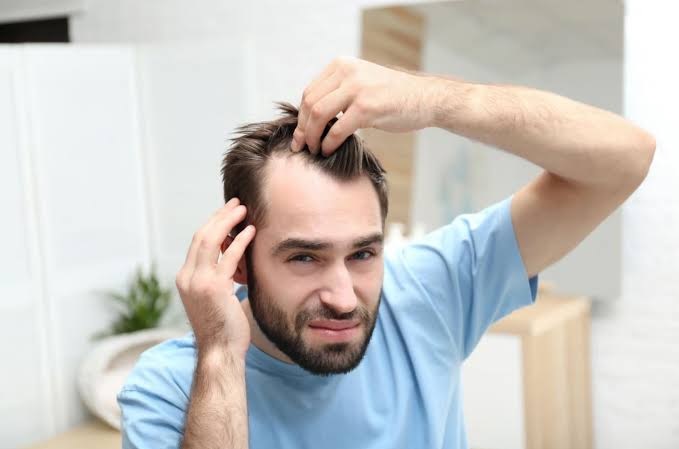
As the condition progresses, thinning may become more noticeable across specific areas of the scalp. The hairline can develop a more defined M-shaped appearance, while the crown may also begin showing reduced density.
Important developments include:
- More visible recession around the temples.
- Gradual thinning near the crown.
- Reduced thickness in individual hair strands.
- Greater scalp visibility when hair is wet.
- Changes in overall hairstyle and volume.
- Increasing differences between dense and thinning areas.
Understanding these patterns helps individuals recognize how hair changes develop and consider appropriate treatment possibilities.
3. Advanced Hair Loss Progression
In later stages, thinning areas may become more prominent, and the affected regions can gradually expand. The front hairline and crown may eventually develop a larger connected area of reduced hair coverage.
Some noticeable characteristics include:
- Significant recession across the frontal hairline.
- Larger thinning patches around the crown.
- Reduced density across the upper scalp.
- Greater contrast between remaining and thinning hair.
- Changes in natural hair distribution.
- More visible scalp coverage differences.
Although progression varies between individuals, understanding these developments makes it easier to discuss suitable management approaches.
4. Supporting Hair Health at Every Stage
Maintaining scalp health and seeking timely advice can support informed hair care decisions throughout different stages. A personalized approach considers hair condition, family history, and individual treatment preferences.
Helpful practices include:
- Professional assessments: Regular evaluations help track changes in hair density and growth patterns.
- Balanced nutrition: Protein, vitamins, and minerals contribute to normal hair health.
- Gentle hair care: Avoiding excessive heat and harsh styling reduces unnecessary hair damage.
- Scalp maintenance: Keeping the scalp clean supports a comfortable scalp environment.
- Suitable treatments: Medications and hair restoration procedures may help manage certain forms of hair loss.
- Progress monitoring: Photographs taken periodically can help identify gradual changes.
Building Awareness for Better Hair Care
Recognizing hair changes at different stages allows individuals to approach hair care with greater confidence. Early identification, professional guidance, and consistent maintenance can make the journey more manageable. While genetic factors influence male pattern baldness, several management options are available to address changing hair density. Understanding individual needs and exploring appropriate solutions encourages realistic expectations, supports informed decisions, and promotes a positive approach to long-term hair care.