
- Encourages Balanced Meal Planning
Health-conscious individuals often appreciate simple ways to organize their meals. A reliable plate provides a practical visual structure that makes it easier to include different food groups without making meal preparation feel complicated.
- Divide meals into sensible sections.
- Include vegetables, protein, and carbohydrates.
- Aim for variety across different meals.
- Keep portions visually balanced.
- Makes Serving Sizes Easier To Understand
Portion awareness can sometimes feel confusing when people rely only on estimation. A clearly structured Portion Control Plate offers a straightforward reference, helping individuals recognize appropriate serving proportions during everyday meals.
- Compare different food portions visually.
- Reduce unnecessary guesswork while serving.
- Maintain consistent proportions at regular meals.
- Adjust servings according to appetite and activity.
- Gives Vegetables An Important Place
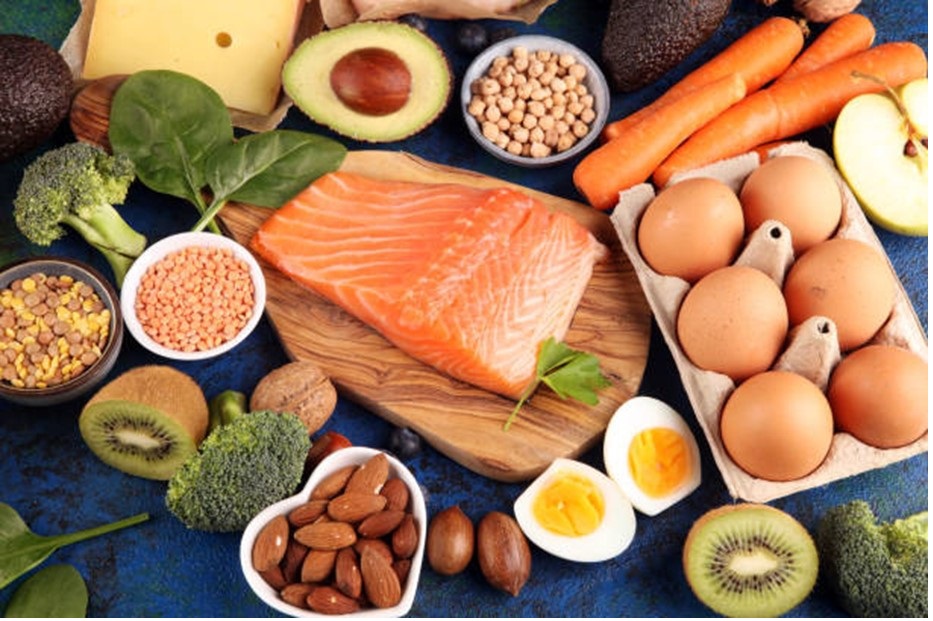
Vegetables add color, texture, and variety to meals. Giving them sufficient space encourages people to include more plant-based foods while creating plates that look appealing and satisfying.
- Combine several vegetable varieties.
- Choose fresh, cooked, or lightly prepared options.
- Include colorful produce throughout the week.
- Explore seasonal ingredients for greater variety.
- Supports Protein Variety
Protein contributes to satisfying and balanced meals. A reliable portion guide can help individuals include an appropriate amount while leaving room for vegetables and other nutritious foods.
- Consider beans, lentils, eggs, fish, or poultry.
- Alternate protein sources throughout the week.
- Pair protein with vegetables for balanced meals.
- Keep serving sizes proportionate to the entire plate.
- Helps Organize Carbohydrate Portions
Carbohydrates can remain part of a nutritious eating pattern when served thoughtfully. A structured plate makes it easier to include suitable portions alongside protein and vegetables.
- Consider whole grains and fiber-rich choices.
- Serve grains or starchy foods in moderate amounts.
- Pair carbohydrates with other food groups.
- Select options that complement personal preferences.
- Promotes Consistent Eating Habits
Consistency can make healthy choices easier to maintain. Using the same basic meal structure regularly helps turn portion awareness into a familiar habit rather than an occasional effort.
- Follow a similar arrangement during main meals.
- Keep useful ingredients available at home.
- Plan portions before serving when convenient.
- Make gradual adjustments when routines change.
- Makes Healthy Meals More Appealing
Good nutrition does not have to feel restrictive or repetitive. A well-organized plate can encourage creativity by leaving space for different ingredients, flavors, textures, and favorite foods.
- Experiment with colorful combinations.
- Try different herbs and seasonings.
- Rotate recipes to maintain interest.
- Enjoy preferred foods in sensible amounts.
- Encourages Mindful Meal Decisions
Visual guidance can support greater awareness during mealtimes. Rather than focusing on complicated calculations, individuals can pay attention to balance, hunger, fullness, and overall food variety.
- Eat at a comfortable pace.
- Notice fullness signals during meals.
- Consider the balance of the complete plate.
- Focus on steady habits instead of perfection.
A reliable approach to portion awareness can make balanced eating feel practical and achievable. By organizing meals thoughtfully, including varied foods, and maintaining sensible proportions, health-conscious individuals can build positive routines that support enjoyable and consistent everyday nutrition.