
Environmental remediation services are essential for restoring contaminated environments and supporting global efforts toward sustainability. These services focus on cleaning soil, water, and air affected by pollution, ensuring healthier ecosystems and safer communities. By addressing environmental damage, they directly contribute to long-term ecological balance and sustainable development progress. These services also help prevent future contamination by promoting responsible waste management and environmental monitoring practices. It plays a crucial role in enabling sustainable infrastructure development and ensuring that natural resources are preserved for long-term use.
Aligning with Sustainable Development Goals
Environmental remediation strongly supports global sustainability targets by reducing pollution, protecting biodiversity, and improving public health. These efforts help communities transition toward cleaner and more responsible development practices. Such alignment ensures that development projects maintain ecological integrity while fostering inclusive growth and long-term environmental stability across urban and rural regions. This alignment also supports global cooperation in addressing environmental challenges and promotes responsible resource utilization for future generations.
Key Contributions to Sustainable Development
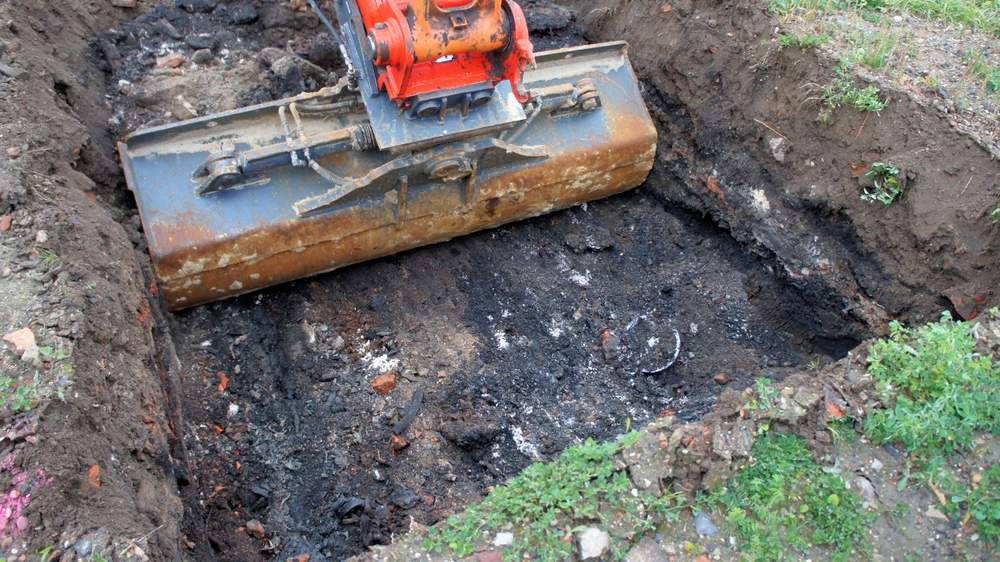
Environmental remediation services offer multiple benefits that align with green development priorities:
- Restoration of contaminated land for safe agricultural and industrial use
- Improvement of water quality in rivers, lakes, and groundwater systems
- Reduction of hazardous waste exposure in residential and industrial areas
- Enhancement of biodiversity through ecosystem recovery
- Support for climate resilience by improving natural absorption systems
- Promotion of circular economy principles through waste reduction and reuse
Advanced Approaches in Remediation
Modern environmental remediation utilizes innovative and eco-friendly methods to achieve efficient cleanup results. These approaches prioritize minimal environmental disruption while maximizing restoration outcomes. By integrating scientific assessment and continuous monitoring, these methods ensure long-lasting environmental recovery and reduce the risk of recurring contamination in affected areas. Customers often click see website for environmental services.
- Bioremediation techniques using natural organisms to break down pollutants
- Soil washing and stabilization for contaminated land recovery
- Phytoremediation using plants to absorb harmful substances
- Sustainable groundwater treatment methods
- Air purification strategies for industrial emissions control
Environmental and Social Benefits
The impact of environmental remediation extends beyond ecological recovery. It also strengthens social and economic well-being by creating healthier living conditions and safer environments for future generations. Clean environments contribute to improved public health, reduced disease risks, and enhanced quality of life. Additionally, restored ecosystems support economic activities such as agriculture, tourism, and sustainable urban development. These benefits also strengthen community resilience against environmental disasters and support equitable access to clean resources.
Furthermore, remediation projects encourage responsible environmental stewardship and raise awareness about pollution prevention. Communities benefit from improved infrastructure and reduced environmental hazards, fostering long-term sustainability.
Conclusion
Environmental remediation services are a cornerstone of green and sustainable development goals. By restoring damaged ecosystems and reducing pollution, they create a foundation for a healthier planet. Their role in promoting ecological balance, public health, and sustainable growth makes them indispensable in building a cleaner and more resilient future for all. It also encourages continuous innovation in environmental practices that support sustainable development worldwide. These efforts benefit both present and future ecosystems.